 Table
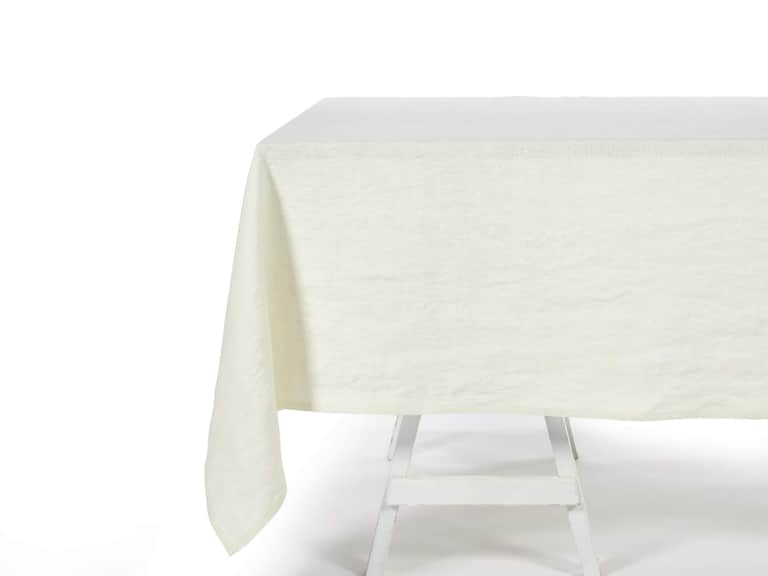
Hudson Tablecloth
Bring effortless elegance to every meal with this 100% linen tablecloth. Its soft, stonewashed finish feels relaxed for everyday dining yet polished enough for special occasions.
Tablecloths are fabric coverings placed over dining or occasional tables to help protect surfaces from everyday contact and create a finished setting. Their size, shape, weave, and drape affect how they fit and function. In a home furnished with varied furniture, a tablecloth can coordinate a table with nearby chairs and surrounding décor.
When assessing tablecloth features, consider the table’s dimensions, including its length, width, and any extension leaves. A suitable drop—the amount of fabric hanging beyond the tabletop—supports a balanced appearance and practical coverage. Fabric weight and texture also influence how a tablecloth lies, how easily it shifts, and how it suits routine meals or gatherings.
The Hudson Tablecloth is a named option within this category. Its role is to cover a tabletop and contribute a textile layer to a dining area. As with any tablecloth, checking measurements and reviewing available material and care information helps determine whether it fits a particular table and meets household use requirements.
Tablecloths can help limit direct exposure of a tabletop to crumbs, spills, and minor scuffs, though the level of protection depends on the fabric and the care instructions. They are used for everyday dining, hosting, and decorative arrangements. Regular laundering or spot cleaning, when permitted by the material, helps maintain appearance and usability.
In home furnishing terminology, tablecloths are distinct from bedding, organic mattresses, and innerspring mattresses, which serve sleeping needs rather than covering tables. They complement other furniture and can visually connect dining tables with chairs, colors, and textures elsewhere in a room. Choosing a suitable tablecloth starts with fit, intended use, and practical care considerations.
Table