The sofa is not merely a piece of furniture; it is a narrative at the heart of living spaces. Its bones—frame construction, cushion type, and leg design—tell a story about durability, comfort, and how a home witnesses daily life. In this guide, we traverse four enduring sofa archetypes: the Chesterfield, the Mid-Century Modern, Sectional configurations, and Sleeper sofas. Each style carries a distinct historical moment, a particular approach to proportion, and a practical role in contemporary interiors.
Along the way, we’ll reference a contemporary exemplar that embodies the fusion of design heritage and modern practicality: the Cisco Donato Sofa, a versatile piece that demonstrates the craft of slipcovered, easy-care upholstery while maintaining classic proportions. Its design language echoes the broader themes of durability, adaptability, and quiet luxury that define good sofa architecture.
Chesterfield: Heritage, Containment, and Tufted Luxury
The Chesterfield asserts itself with deep, button-tufted upholstery, rolled arms, and a symmetrical silhouette that has endured since the 18th century. Traditionally built with a rigid frame and a high back, it embodies formality and a sense of stately comfort. The Chesterfield’s tactile texture—tufting that creates a grid of minimalist, disciplined pockets—engages the senses and elevates room aesthetics through a disciplined geometry.
In its most iconic iterations, the Chesterfield uses a stiff, kiln-dried hardwood frame and high-density foam or feather-wiber cushions that resist sag over time. The legs are often short and stout, informing a grounded look that anchors a space. This style fits best in rooms that aim for classic elegance—libraries, drawing rooms, and formal living spaces—where it can pair with damask wallpapers, dark wood furniture, and traditional rug patterns.
From a design history perspective, the Chesterfield represents a social narrative: a furniture form shaped by English club culture and then adopted across continents as a symbol of refined taste. Today, the Chesterfield still signals a preference for timeless lines, even as textile technology expands into performance fabrics and stain-resistant weaves, making it more adaptable for modern families.
Mid-Century Modern: Sleek, Low, and Sculptural
The Mid-Century Modern sofa arrives with a lean, sculptural presence that celebrates light, space, and the honest beauty of materials. Clean lines, slim legs, and an emphasis on horizontal proportion define a look that feels airy and modern. Cushions are typically thinner than those found on traditional sofas, with an emphasis on modularity and geometry rather than plushness. The result is a piece that reads as art as much as furniture, capable of transforming a room with its confident silhouette.
Historically, this era embraced innovations in foam cushioning, steel and wood production, and a playful yet precise approach to color and form. In contemporary living rooms, Mid-Century Modern sofas pair well with exposed wooden floors, geometric rugs, and minimalistic lighting. The key to successfully integrating this style lies in balancing the sculpture with softer textures in pillows or throws, so the room remains inviting rather than clinical.
Sectionals: Space, Flow, and Social Modes
The sectional sofa is a study in modular adaptability. It answers varied room configurations—from open-plan living spaces to family dens—by offering flexible seating arrangements. Sectionals often incorporate corner modules, chaise lounges, and configurations that encourage conversational clustering. They can anchor a family room, provide a theater-like seating arrangement, or function as an informal boundary in open-plan layouts.
Durability in sectionals is typically tied to a solid hardwood or plywood frame, reinforced joinery, and high-density cushions. The upholstery choice—whether performance fabrics designed for heavy use or luxurious textures for a refined living room—plays a decisive role in longevity. In recent years, many modern sectionals also come with slipcovers, allowing for easy cleaning and a refreshed look with seasonal updates.
From a spatial perspective, the sectional is about rhythm: the way it guides foot traffic, shapes sightlines, and frames a focal point such as a media wall or a fireplace. The right sectional is less a single piece and more a living system that adapts to your lifestyle, accommodating both quiet evenings and lively gatherings.
Sleeper Sofas: Dual-purpose Comfort
Sleeper sofas weave a practical thread through the fabric of daily life. They offer a comfortable seating experience by day and transform into a bed for guests by night. The best sleeper mechanisms balance ease of use with long-term durability, often featuring reinforced frames, reliable hinge systems, and mattresses that provide a reasonable sleep surface without compromising living room aesthetics.
In contemporary homes, sleepers are valued for their versatility in small apartments or guest rooms. When selecting a sleeper sofa, consider the room’s size, the intended guest frequency, and the sleeper’s ease of conversion. A well-designed sleeper should disappear when not in use, preserving the room’s proportions and visual harmony.
Materials, Craft, and Comfort: A Short Field Guide
Beyond silhouette, the choice of materials matters as much as the frame. Leather offers a timeless, durable surface that ages gracefully, while performance fabrics deliver stain resistance and longevity for households with children or pets. Natural fibers—cotton, wool blends, linen—bring breathability and tactility but may require more maintenance. The cushion core—foam versus feather, or a hybrid—defines comfort and support, influencing how a sofa wears over time. Underlying frames built from solid hardwoods or engineered wood with corner blocking and sinuous springs or webbing provide the backbone of lasting comfort.
Leg design and scale also shape perception. Short, sturdy legs anchor a deep Chesterfield; slender, tapered legs lighten the Mid-Century silhouette; and exposed wooden or metal bases add a contemporary edge to almost any configuration. The finishing touches—tubes of piping, welt detailing, and decorative stitches—signal the design language without compromising function.
A Practical Picking Guide: Room Size, Traffic, and Use
Choosing a sofa involves balancing room proportions with real-life use. For small rooms, a compact Chesterfield or a slim-post Mid-Century Modern sofa can preserve space while delivering character. For busy households, a durable sleeper or a robust sectional with a washable slipcover can adapt to daily life without sacrificing style. In open-plan living areas, consider how the sofa anchors sightlines to key zones such as a dining area or a workspace, and ensure sufficient clearance around furniture to avoid congestion.
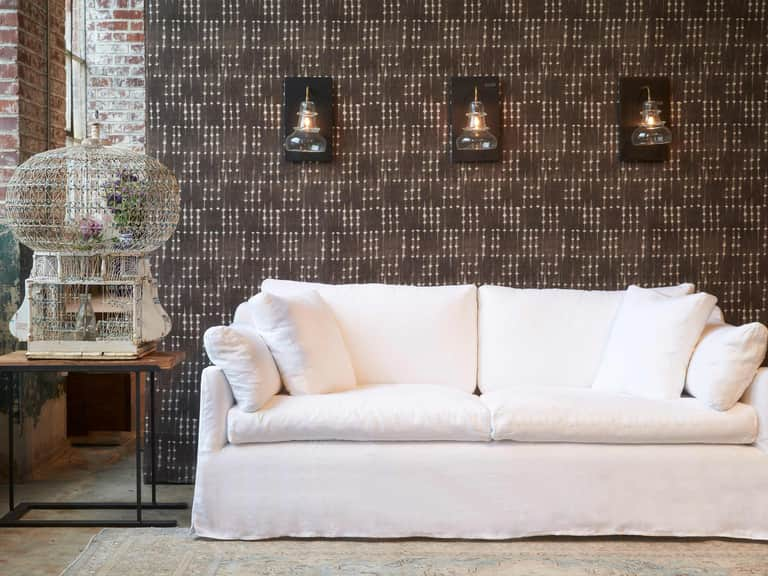
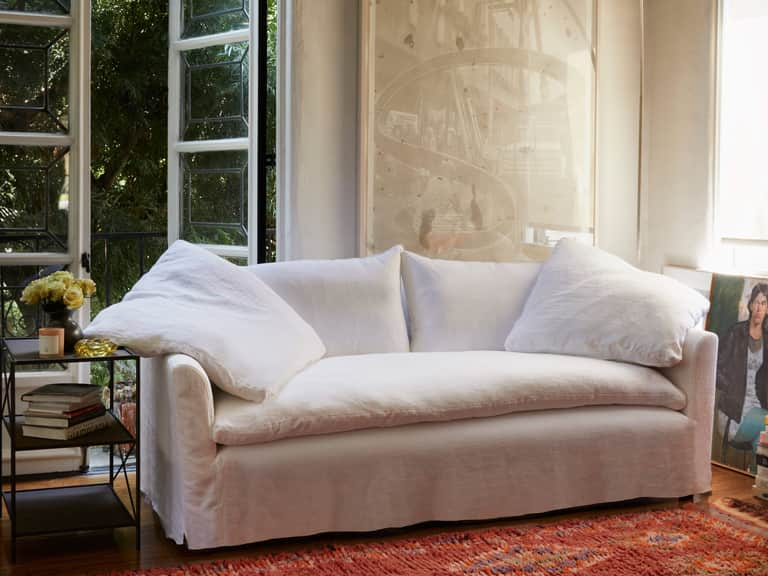
To illustrate how a single model can exemplify this balance, consider the Cisco Donato Sofa. Its slipcovered design, bench topper cushion, and flexible upholstery options reflect a modern convergence of practicality and classic form. The Donato embodies a sensibility that respects heritage while embracing contemporary routines—the hallmark of thoughtful furniture design.
Key Time-Period Figures in Sofa Design
Across centuries, notable designers and eras have shaped sofa design, leaving a lasting imprint on the way we sit, recline, and interact with furniture.
- George Hepplewhite (late 18th–early 19th century) — A pioneer of restrained, elegant forms, Hepplewhite’s influence helped codify refined, proportionally balanced seating with delicate legs and carved detailing.
- Charles and Ray Eames (mid-20th century) — Visionaries of modern furniture, their emphasis on functional comfort and sculptural silhouettes elevated the sofa into a streamlined piece of art and daily utility, typified by modular, adaptable seating.
- A contemporary sustainability movement — Designers today increasingly integrate eco-friendly practices, FSC-certified woods, Inside Green materials, and ethical manufacturing, reflecting a broader shift toward responsible luxury.
A Practical Reference: Donato Sofa in Focus
The Cisco Donato Sofa embodies a modern equilibrium of form and function. Its slipcovered surface, bench topper cushion, and customizable fabric options illustrate how a single piece can bridge traditional comfort with contemporary maintenance needs. With a solid hardwood frame and 8-way hand-tied support, Donato is built to endure while preserving a soft, approachable silhouette. The Donato’s dimensions—78 inches wide, with options for a broader 97 inches—offer generous seating without dominating a room.
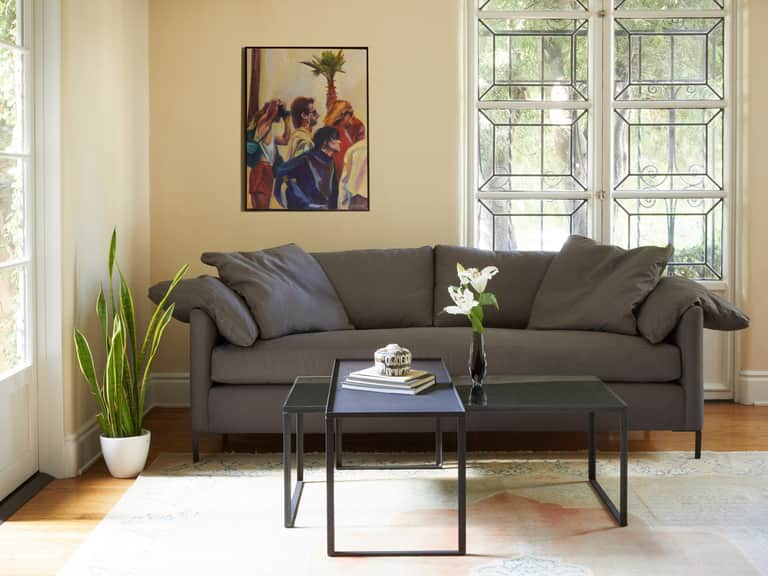
Images and data from contemporary catalogs show how Donato harmonizes with a variety of room styles, from casual living spaces to refined lounges. This sofa exemplifies the way designers translate historical sensibilities into everyday practicality, a theme echoed across the broader spectrum of sofa design.
Images: Visual Anchors for Style Decisions
Images help crystallize a design decision, offering a tactile sense of scale, proportion, and texture. The Donato, with its slipcovered, easy-care aesthetic, serves as a practical reference for readers who want a sofa that is both stylish and resilient in high-traffic environments. The collection of Donato-related visuals demonstrates how fabric choices and leg finishes alter perception and room tone.